
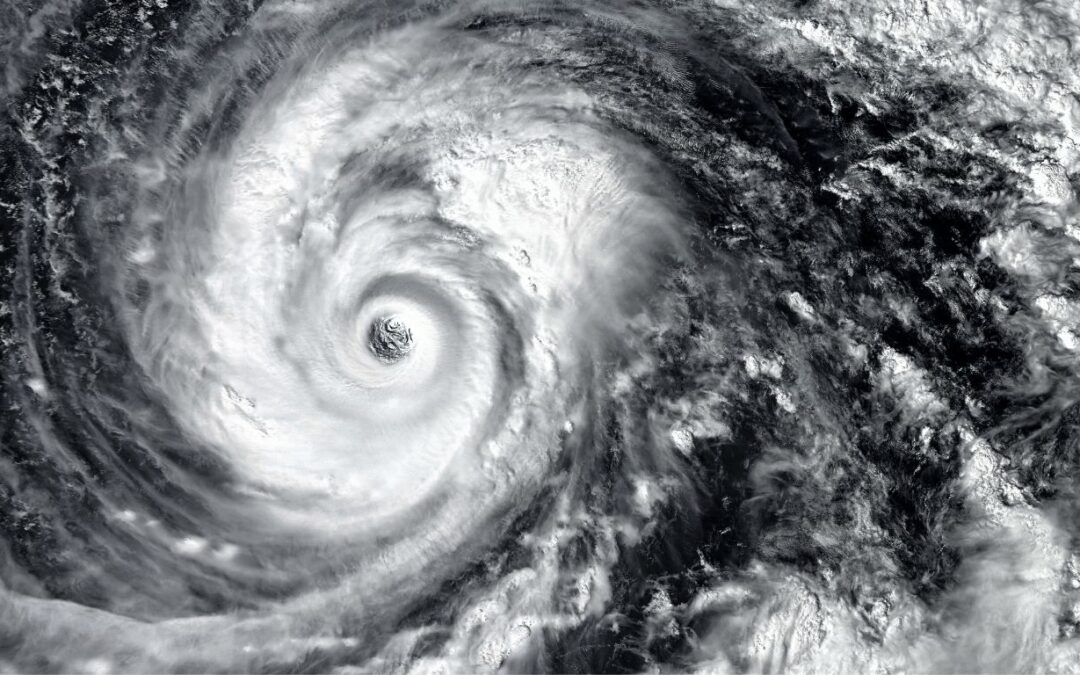
In the Caribbean, the beauty of our islands is matched only by the power of nature. For the construction industry, the annual hurricane season isn’t a possibility; it’s a certainty. A single storm can derail a multi-million dollar project, causing catastrophic damage, costly delays, and posing a severe threat to human life.
Being unprepared is not an option. According to the NOAA, recent hurricane seasons have shown a trend towards more intense and rapidly developing storms, making a proactive and robust safety plan more critical than ever.
This guide provides a practical, three-phase action plan based on OSHA and CDEMA best practices to help you secure your construction site, protect your valuable equipment, and ensure the safety of your personnel.
Before the Storm: Your Essential Preparedness Checklist
As a storm approaches, proactive measures are key. This checklist should be a mandatory part of your site’s operational protocol.
1. Secure Your Site and Materials
- Clear Debris: Loose materials become dangerous projectiles in high winds. Clean the entire site of loose wood, tools, empty containers, and other potential hazards.
- Anchor and Brace: Securely anchor all temporary structures, including scaffolding, trailers, and sanitation facilities. Brace unfinished structures according to an engineer’s specifications.
- Manage Water Flow: Clear all drainage areas to prevent flooding. Turn off utilities (water, gas, and electricity) at the main connections as instructed by authorities.
2. Protect Your Vertical Access Equipment
Your construction hoist or industrial elevator is a critical asset. Protecting it is paramount.
- Park the Cabin: Lower the elevator car to the lowest landing. Never leave the car at an elevated position.
- Secure the Mast: Follow the manufacturer’s specific guidelines for securing the mast. The robust, hot-dip galvanized steel masts used in Alimak elevators are designed to withstand harsh conditions, but proper anchoring is essential.
- Disconnect Power: The main electrical disconnect for the elevator must be shut off and locked out. Protect electrical panels from water intrusion.
- Schedule a Post-Storm Inspection: Do not attempt to operate the equipment after a storm until it has been thoroughly inspected by a certified technician. A professional maintenance and inspection service is crucial to verify structural integrity and electrical safety.
3. Review Your Emergency Plan
- Communication: Ensure you have a reliable communication plan for all personnel. Distribute emergency contact lists.
- Evacuation Routes: Clearly mark and communicate all site evacuation routes.
- Documentation: Secure all important documents, plans, and permits in a waterproof, off-site location or cloud-based server.
A hard fact from: NOAA projects more frequent above-normal hurricane seasons. Hazards related to cleanup and recovery efforts following destructive storms can result in injury or death, making comprehensive planning essential for protecting workers both during and after hurricane events.
During the Storm: Prioritizing Personnel Safety
This phase is simple and non-negotiable.
- No Personnel On-Site: Absolutely no personnel should be on the construction site once evacuation orders are issued or conditions become dangerous.
- Monitor Official Alerts: Stay tuned to official information from meteorological services and local disaster management agencies.
Your team’s safety is the only priority. Equipment and materials can be replaced; lives cannot.
After the Storm: The Professional Inspection Protocol
Returning to a site after a hurricane requires caution and a methodical approach.
- Wait for the “All Clear”: Do not enter the site until official authorities have declared the area safe.
- Assess Structural Hazards: Visually inspect the entire site for downed power lines, unstable structures, and flooding before proceeding.
- Document Everything: Take extensive photos and videos of any damage for insurance purposes before beginning any cleanup.
- DO NOT Operate Equipment: Do not restore power or attempt to use any vertical access equipment until it has been professionally inspected.
A certified technician must perform a detailed inspection to check for structural damage to the mast and anchors, water intrusion in electrical systems, and alignment issues before the equipment can be safely put back into service.
Frequently Asked Questions (FAQs)
1. At what wind speed should we stop operating our construction hoist? As a general rule based on Alimak’s official manuals, operations should cease when wind speeds exceed 12.5 m/s (45 km/h or 28 mph). Always follow the specific limits for your model.
2. How does an Alimak elevator resist the post-hurricane corrosive environment? Alimak equipment is built for harsh conditions. The use of hot-dip galvanized steel for masts and supports, and stainless steel for electrical cabinets, provides superior protection against the highly corrosive, salt-laden air common after a Caribbean storm.
3. Does our insurance cover equipment damage if it wasn’t secured properly? Many insurance policies can deny claims if it is found that the owner did not take reasonable steps to secure the property. Following a documented preparedness plan is your best defense.
Conclusion: Preparation is the Key to Resilience
A hurricane doesn’t have to be a financial disaster for your project. A well-executed preparedness plan protects your people, safeguards your assets, and ensures you can get back to work safely and quickly once the storm has passed.